




How to Choose the Right Door Curtain for Your Needs
Door curtains are practical household and commercial accessories that serve multiple purposes, including insulation, privacy protection, insect control, dust blocking, and decoration. With a wide variety of materials, designs, and functions available on the market, choosing the right door curtain can be confusing. To make a suitable decision, it is important to consider your specific environment, functional requirements, and personal preferences. Understanding these factors will help you select a door curtain that is both practical and aesthetically pleasing.
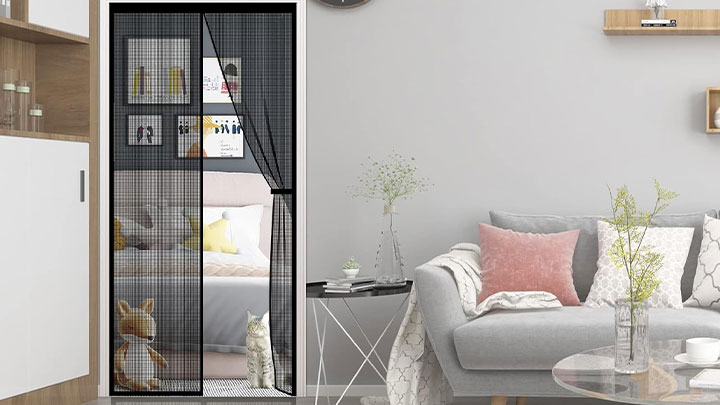
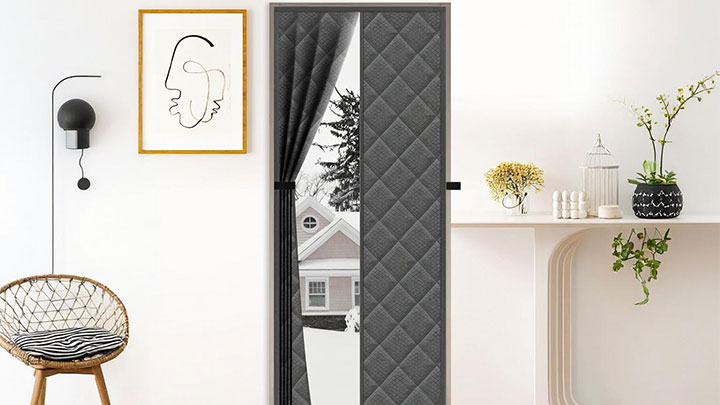
The first and most important factor to consider is the purpose of the door curtain. Different door curtains are designed for different functions. For example, if your main goal is to keep warm during winter, thick cotton or insulated door curtains are ideal because they reduce heat loss and block cold drafts. If you live in a hot or humid area and want to improve ventilation while keeping insects out, mesh or fiberglass door curtains are a better choice. For commercial kitchens or warehouses where hygiene and airflow are essential, PVC strip curtains or industrial-grade mesh curtains may be more suitable. Clearly defining the main function of the door curtain will help narrow down your options.
The second consideration is the environment in which the door curtain will be used. Indoor and outdoor conditions can greatly affect the performance and lifespan of a door curtain. For outdoor entrances exposed to sunlight, rain, or wind, weather-resistant materials such as PVC, fiberglass, or coated fabrics are recommended. These materials are less likely to fade, deform, or absorb moisture. For indoor use, softer materials like cotton, linen, or polyester can provide comfort and decorative value. In high-traffic areas, durability becomes especially important, so stronger materials and reinforced edges should be prioritized.
Size and fit are also critical factors. A door curtain must fully cover the doorway to be effective. Before purchasing, carefully measure the width and height of the door opening, including any gaps that could allow air or insects to pass through. A curtain that is too small will fail to block drafts, while one that is too large may drag on the floor or interfere with movement. Some door curtains are designed to overlap in the center or extend slightly beyond the doorway to improve sealing, which can enhance their functional performance.
Material selection plays a key role in both functionality and comfort. Cotton door curtains are soft, breathable, and suitable for warmth and comfort, but they may absorb moisture and require regular cleaning. Polyester curtains are lightweight, wrinkle-resistant, and easy to maintain, making them a popular all-purpose option. Fiberglass and mesh curtains are excellent for ventilation and insect prevention but offer limited insulation. PVC curtains provide good durability and are easy to clean, but they may feel stiff in cold temperatures. Choosing the right material depends on balancing performance, maintenance, and comfort.
Another important aspect is installation method. Door curtains can be installed using rods, tracks, adhesive rails, Velcro, or magnetic systems. For permanent installations, curtain rods or tracks provide stability and a clean appearance. For renters or temporary use, adhesive or magnetic door curtains offer convenience and easy removal without damaging walls. The ease of installation and removal should match your living situation and usage habits.
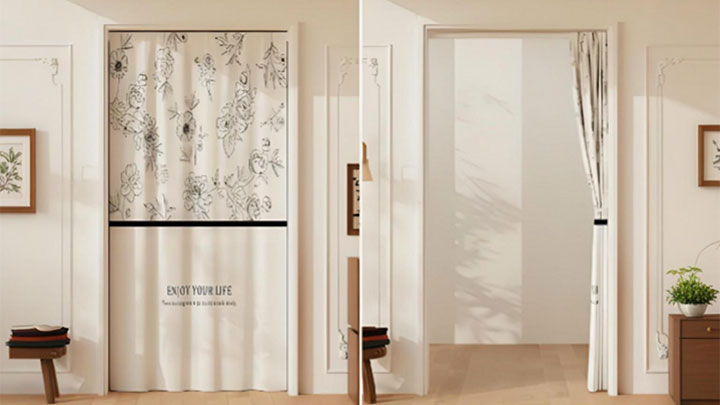
Aesthetic appeal should not be overlooked, especially for residential spaces. Door curtains are often visible and can influence the overall interior design. Colors, patterns, and textures should complement your existing décor. Neutral colors create a clean and calm atmosphere, while bold patterns can add personality and visual interest. In commercial spaces, a simple and professional design is usually preferred to maintain a neat appearance.
Maintenance and cleaning requirements are also worth considering. Some materials are machine washable, while others require hand washing or special care. If you prefer low-maintenance products, choose materials that are stain-resistant and easy to clean. In environments such as kitchens or shops, where dirt and grease are common, washable and quick-drying materials are especially practical.
Finally, budget is a realistic factor that influences most purchasing decisions. While it may be tempting to choose the cheapest option, long-term value should be considered. A slightly more expensive door curtain made from durable materials may last longer and perform better, reducing the need for frequent replacements. Comparing price, quality, and functionality will help you make a cost-effective choice.
In conclusion, choosing the right door curtain requires careful consideration of purpose, environment, size, material, installation method, appearance, maintenance, and budget. By evaluating these factors based on your actual needs, you can select a door curtain that enhances comfort, efficiency, and style in your living or working space.